House clearance in Finchley for homes, flats and estates

Finchley House Clearance provides a practical house clearance service in Finchley for homeowners, landlords, executors and managing agents who need rooms, flats or whole properties emptied with care. The work can cover furniture, white goods, boxed belongings, general household contents and mixed items that have built up over time. Our approach is straightforward: remove what is agreed, separate useful items where possible, and leave the property ready for its next stage.
We handle clearances for properties that are being sold, let again, refurbished or simply reduced in size. Some customers need a full clearance after a move; others only need selected rooms tackled, such as a loft, garage or spare bedroom. Because every property is different, the service is planned around access, the volume of items and any pieces that need extra care, rather than forcing one standard method onto every job.
For a clear quote, it helps to share the type of property, the rooms involved and a brief description of the contents. If you already know which items stay and which go, that makes planning easier, but an exact inventory is not always necessary. You can ask for a quotation once you have a general idea of the job, and we can then talk through the most suitable clearance option.
Domestic clearance work for houses and flats
Domestic clearances often begin with a room-by-room approach so that useful furniture, personal papers and items with sentimental value are not removed by mistake. A house may need a fuller process, while a flat may call for careful movement through shared entrances, stairwells or narrow internal layouts. We work with the items that remain after decisions have been made, keeping the job focused on what actually needs to go.
Typical domestic work can include wardrobes, beds, sofas, chests of drawers, kitchen items, books, ornaments and mixed loose belongings. In many homes there are also awkward areas such as understairs cupboards, cellars or built-in storage spaces that need to be checked properly. If a property has partly sorted contents, we can work around what is staying and remove the rest in a controlled way.
Before the visit, it is helpful to set aside items you are keeping and make sure access is clear enough for the clearance to proceed smoothly. If there are objects that need special attention, such as fragile glass, documents or particularly heavy pieces, say so early in the process. Good planning keeps the job efficient, especially when the property contains a mixture of everyday items and awkward larger furniture.
Clearance support for lofts, garages and storage spaces

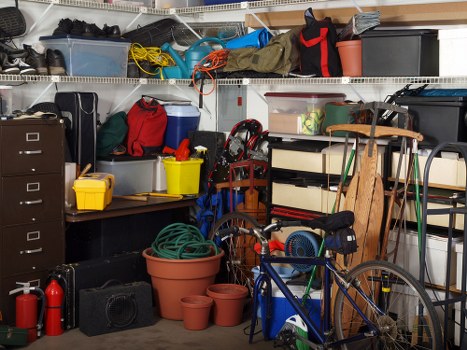
Lofts and garages often become long-term storage areas, which means they may contain mixed household items, broken furniture, old boxes, sports equipment, tools, decorations and seasonal goods. Clearing these spaces properly usually involves more than taking away a few obvious pieces. It means checking what is stacked, what is hidden behind larger items and what may be stored safely but no longer needed. A measured approach reduces confusion and avoids needless disturbance.
We can help with spaces that have been used informally for years as well as those that were intended for organised storage but have become crowded. Loft clearances may involve sloping ceilings, limited headroom and awkward access, while garages often include a blend of household overflow and workshop items. Both spaces benefit from a plan that respects the layout, the weight of the items and the way they need to be moved out.
Useful preparation is simple: keep any items you are retaining in a separate area if possible, and mention whether the space includes fragile belongings, damp packaging or very heavy contents. If you are not sure what should stay and what should go, a brief discussion can still help shape the work. Our aim is to make the clearance manageable without turning it into a larger project than necessary.
Furniture removal and item sorting
Furniture clearance is often the central part of a house clearance, especially where bulky items are taking up the most space. Sofas, wardrobes, dining sets, beds and shelving can all require different handling because of their size, shape and condition. Some pieces may be straightforward to remove, while others need to be dismantled or moved carefully through tight internal routes. The service is organised around safe removal rather than rushing through the property.
Not every item in a clearance is handled in the same way. Some furniture may be suitable for reuse, while other pieces may be worn, damaged or no longer practical to keep. The sensible way to work is to sort the contents properly, decide what is being removed, and manage the loading in a way that suits the property. This is particularly useful when a room contains both furniture and smaller loose items.
If there are pieces that are especially large, fragile or awkward to move, point them out when requesting a quotation. A short note about stairs, turns, restricted hallways or basement access can also be useful. Clarity at the start helps shape the work plan, and it means the clearance can be organised around the actual conditions of the property rather than guesswork.
House clearance for sales, lettings and life changes
Many customers arrange a house clearance when a property is changing hands or being prepared for a new occupant. That may involve emptying a family home after downsizing, clearing a rental between tenancies or removing leftover contents before refurbishment begins. In each case, the main task is to reduce the property to the agreed items so that the next step can happen without unnecessary delay or clutter.
Different situations require different levels of involvement. Some homes only need a few rooms cleared, while others need every floor checked carefully so that attics, cupboards and outbuildings are not overlooked. We work to the scope agreed in advance, which makes the service suitable for simple room clearances as well as larger domestic jobs where the contents are spread throughout the property.
It is usually best to decide in advance whether any paperwork, photographs, keys or personal items should be separated first. A clear walk-through of what stays and what goes can save time later, particularly in homes where several people are involved in the decision-making. If you need the clearance discussed in more detail, you can request a quotation once the outline is clear.
How we plan a clearance and what affects the price
The cost of a house clearance depends on practical factors such as the amount of contents, the type of items being removed, access to the property and how much sorting is required on the day. A straightforward room clearance is different from a property with several floors, heavy furniture or items stored in hard-to-reach places. That is why a reliable quotation is based on the work involved, not on a one-size-fits-all assumption.
When preparing for a quote, try to describe the property layout and the general mix of contents as accurately as possible. If a loft is packed, a garage is partially cleared already or a flat has no lift access, those details matter. The more accurate the description, the easier it is to match the quote to the likely work. This keeps the process practical and avoids misunderstandings about what is included.
A simple checklist can help you gather the right details before you enquire:
- the type of property and how many rooms are involved
- which items or areas are staying and which are to be cleared
- any access issues, such as stairs, narrow halls or parking limits
- whether there are bulky, fragile or especially heavy pieces
- the preferred timing for the clearance
Estate, probate and sensitive clearances
Some clearances need a particularly steady and respectful approach, especially when they are connected with probate, estate administration or the settlement of a long-occupied home. In those cases, the main priority is usually to remove contents in an orderly way while allowing important items to be set aside first. The work can involve a complete house or selected rooms, depending on what the property requires.
These jobs often contain a wide range of possessions, from ordinary household furniture to papers, keepsakes and older items that have stayed in the property for years. The clearance therefore benefits from careful sorting rather than quick removal. We can work to the instructions provided and keep the process focused on the agreed items, which helps the property move towards its next stage without unnecessary disruption.
If family members, solicitors or executors are involved, it is sensible to agree the scope before the work begins. That way the clearance can be kept consistent with the decisions already made. If there are items you would like held back, separated or reviewed first, make that clear when asking for a quotation so the planned work matches the actual requirements.
About Finchley
Finchley is a north London area with a long history of settlement and steady development from rural edge land into a substantial suburban district. It is traditionally understood as comprising several parts, including North Finchley, East Finchley and Finchley Central, each with its own character and local landmarks. The area sits within the London Borough of Barnet and is known for a mix of late Victorian and Edwardian housing, interwar streets and later infill development. Much of its present form reflects the growth of rail and tram transport in the nineteenth and early twentieth centuries, which encouraged residential expansion and new local shopping streets. Finchley Central remains closely associated with the area’s civic and commercial life, while East Finchley has a distinct high street and a notable station approach. The district also includes green spaces that break up the built environment, such as Victoria Park and the Dollis Valley Greenwalk corridor, which link everyday neighbourhood routes with more open landscape. Cultural and architectural interest appears in local churches, schools and surviving historic buildings, including older domestic architecture that sits alongside modern apartment blocks and contemporary redevelopment. Finchley has long been associated with a settled suburban identity rather than a single compact town centre, so its streets, parks and transport links give it a layered feel. That combination of housing, open space and varied local centres makes it a recognisable part of outer north London with a character shaped by both history and ongoing change.
Preparing the right scope for the work
Once the likely scope is known, the next step is to decide whether the job is a partial clearance, a full property clearance or a combination of rooms and storage spaces. That choice affects the time needed, the equipment required and how the loading is managed. A well-scoped job is easier to organise and usually simpler for the household, because everyone knows what is being cleared before the work starts.
Clearances can also be divided by priority. Some customers want the main furniture removed first and the smaller contents dealt with afterwards; others prefer selected rooms left until the end so that they can continue to use the property while the work proceeds. This is especially helpful in occupied homes where one part of the house is still needed while another part is being emptied. The method should suit the property rather than force a rigid sequence.
Where there are valuable or sentimental items, put them aside before the clearance begins and make their status explicit. If there are contents that should be reviewed before removal, say so at the outset rather than after the work has started. That small bit of organisation helps keep the process precise, and it reduces the chance of awkward delays while decisions are made on the day.
Kitchen, bedroom and general contents removal

Beyond the obvious bulky furniture, many clearances involve smaller contents from kitchens, bedrooms, living rooms and hallways. These may include cookware, tableware, linens, small appliances, bedside items, shelving, lamps and mixed everyday belongings. A complete house clearance often depends on attending to these areas carefully, because it is easy for small items to be overlooked when the focus is only on the larger pieces.
Working through the contents room by room makes it easier to keep track of what is being removed and what is staying. In kitchens, there may be cupboard contents and appliances to sort; in bedrooms, the task may be to remove wardrobes and personal storage; in hallways, the work can involve mirrors, side tables or loose household items. A careful inventory is not always necessary, but a sensible overview prevents confusion and keeps the clearance organised.
When you are ready to move forward, send the property details, note any access restrictions and say which rooms are included. You can ask for a quotation when the outline is ready, and we will use that information to discuss the most suitable clearance approach for the job.
Choosing the right house clearance approach
Different properties need different levels of detail, and a sensible clearance should reflect that. A compact flat with a few bulky items may need a quick, focused visit, while a larger family home with loft contents, garden overflow and stored furniture may require a more structured plan. The key is to match the removal method to the layout and the contents, so the work stays controlled from start to finish.
We aim to keep the process practical for customers who want a clear result without unnecessary complication. That means identifying the agreed items, removing them in a sensible order and keeping communication straightforward. If you are unsure whether a job should be handled as a full clearance, a partial clearance or a one-room removal, a short discussion of the contents and access usually makes the choice clearer.
For a straightforward next step, have the basics ready: property type, rooms involved, any particularly large items and the preferred timing. Then request a quotation when you are happy with the scope. A well-described job is easier to price properly and easier to carry out cleanly.