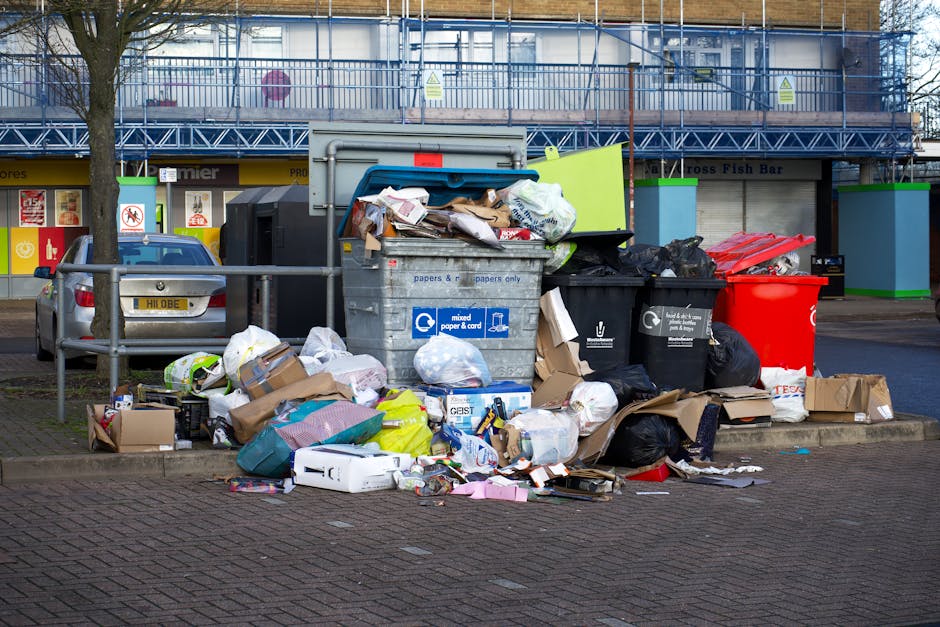
Finchley business rubbish collection near Brent Cross
If you run a shop, office, salon, cafe, workshop, or managed property in North London, rubbish has a funny habit of building up at exactly the wrong time. One day the back room is fine; the next, there are cardboard boxes, broken displays, old office chairs, and a bin area that looks far too small for real life. That is where Finchley business rubbish collection near Brent Cross becomes genuinely useful. It helps local businesses clear waste quickly, keep premises presentable, and avoid the awkward scramble that comes with overflowing bins or missed collections.
This guide explains how business waste collection works in the Finchley and Brent Cross area, what to expect, how to choose the right approach, and the practical mistakes worth avoiding. You will also find a checklist, a comparison table, and answers to the questions people actually ask before booking. No fluff. Just the useful bits.
Why Finchley business rubbish collection near Brent Cross Matters
Business waste is not just a tidying issue. It affects how your premises operate, how customers perceive you, and how smoothly staff can do their jobs. In a busy part of North London, where access routes, parking, loading bays, and shared spaces can be tight, waste has a way of creating small problems that quickly turn into big ones. A few extra sacks in the wrong place and suddenly you are blocking a fire exit, crowding a stock room, or making deliveries harder than they should be.
That is especially relevant around Brent Cross and Finchley, where many businesses work in mixed-use streets, retail parades, office buildings, or service yards that do not have much spare space. If your business generates regular rubbish or occasional bulky waste, a clear collection plan saves time and stress. Truth be told, it also saves that slightly embarrassing moment when someone has to climb over flattened boxes to reach the kettle.
Good rubbish collection supports a cleaner customer experience too. A neat entrance, a clear yard, and an uncluttered store room quietly signal professionalism. People notice. They might not say it, but they notice.
Expert takeaway: Business rubbish collection works best when it is planned around your actual workflow, not squeezed in after waste has already become a nuisance.
How Finchley business rubbish collection near Brent Cross Works
At a practical level, business rubbish collection is a simple process: waste is assessed, separated where needed, and collected by a suitable provider. But the details matter. Not every collection is the same, and not every type of waste should be treated the same way either.
Typically, the process starts with identifying what needs removing. This might include general commercial waste, cardboard, packaging, office furniture, shelving, broken fixtures, shop fittings, mixed rubbish, or waste from a refurb. Some providers offer business waste removal for regular or one-off jobs, while other services are better suited to specific materials or clearance-heavy tasks, such as office clearance or builders waste clearance.
Once the waste type is clear, the provider can usually estimate the manpower, vehicle size, loading time, and any special handling required. If access is awkward, if the waste is heavy, or if items need dismantling, that will affect the approach. In some cases, a same-day collection is possible. In others, a scheduled slot works better, particularly if staff need to prepare items or if the waste area is shared with other tenants.
There is also the matter of sorting. General rubbish can often be collected alongside recyclable materials, but a well-run collection usually separates cardboard, metal, wood, and reusable items where possible. That is better for the environment and, frankly, it usually makes the whole operation feel more controlled. Less mess, less panic, fewer surprises.
What a typical collection day looks like
A good local collection is usually straightforward. The crew arrives, confirms the load, checks access, and removes the waste with minimal disruption. If the site is a busy office near Brent Cross or a small retail unit in Finchley, timing matters. Many businesses prefer early morning, after-hours, or quieter windows so customers and staff are not squeezed around the removal work.
For bigger jobs, the team may need a short walk from the loading point to the vehicle. That is normal. What matters is whether the provider has planned for it. A competent team will think about lift access, stairwells, parking, and how long the loading area can realistically be used. Small detail, big difference.
Key Benefits and Practical Advantages
The obvious benefit is simple: waste disappears. But there is more to it than that.
- Cleaner premises: A tidy workplace is easier to run and easier to present to customers, suppliers, and inspectors.
- Better space management: Removing unused items opens up storage, working room, and circulation areas.
- Reduced staff stress: People are less likely to trip over waste or spend time moving it around.
- More flexible scheduling: Collections can often be arranged around your busiest hours.
- Improved sustainability: Responsible sorting and recycling reduce avoidable landfill waste.
- Less disruption than self-haul: You do not need to hire a van, load it yourself, or lose half a day doing it.
There is also a reputational angle. A business with a clean rear yard, neat waste area, and sensible disposal habits tends to feel more organised overall. Customers may never see the collection itself, but they absolutely see the result.
And if you are comparing this with doing everything in-house, be honest: do your staff really need to spend an hour wrestling a dead printer into a small lift? Probably not.
Who This Is For and When It Makes Sense
Finchley business rubbish collection near Brent Cross is useful for a wide range of organisations, especially those that generate bulky, mixed, or awkward waste. It is not just for large commercial sites. In fact, many of the most common jobs come from small and medium-sized businesses that simply do not have enough bin capacity or storage space.
This service makes sense if you are:
- a retailer clearing packaging, damaged stock, or display fixtures;
- an office replacing desks, chairs, partitions, or archived materials;
- a cafe, restaurant, or takeaway dealing with cardboard, sack waste, or worn equipment;
- a landlord or managing agent clearing a vacant unit;
- a contractor tidying up after a fit-out or refurbishment;
- a clinic, salon, or studio removing old furniture or back-office clutter;
- a small workshop or trade business with mixed general waste and scrap materials.
It also makes sense when waste becomes irregular. Maybe you only need a clearance after a project ends, a move, or a stock refresh. Maybe your weekly bins cope most of the time, but not after deliveries or seasonal peaks. That "just this once" stage often turns into a regular need, and that is perfectly normal.
One local pattern we see often: a business starts with a few spare items in a storage corner, then a couple more, and before long the corner becomes half the room. Happens quietly. Sneaky, really.
Step-by-Step Guidance
If you want the process to run smoothly, it helps to treat waste clearance like any other operational task. A little preparation goes a long way.
- Identify what needs removing. Separate general rubbish from reusable items, bulky furniture, e-waste, wood, metal, and anything potentially hazardous.
- Estimate volume and access. Note how many sacks, boxes, desks, or large items there are, and whether the team can park nearby.
- Check what needs dismantling. Flat-pack office furniture, shelving, or counters may need to be broken down before collection.
- Choose the right timing. Pick a slot that fits your trade hours, deliveries, and staff availability.
- Ask how waste is handled. It is sensible to understand whether items are reused, recycled, or disposed of responsibly.
- Prepare the site. Move obstacles, protect flooring if needed, and keep the collection route clear.
- Confirm the final load on arrival. A quick walk-through prevents misunderstandings.
- Keep records if your business needs them. Many companies like to retain invoices, transfer notes, or internal records for audit and housekeeping purposes.
That last point can feel dull, I know. But it is one of those habits that pays off later when someone asks, "Who cleared that unit and when?" and you can answer in seconds instead of digging through emails while muttering under your breath.
Expert Tips for Better Results
Small changes can make a commercial clearance faster, cheaper, and less disruptive. Here are the practical habits that matter most.
- Bundle similar items together. Cardboard with cardboard, chairs with chairs, shelving with shelving. It speeds up loading and sorting.
- Flatten boxes before the crew arrives. Cardboard takes up far less space when collapsed.
- Keep walkways clear. If access is easy, the job is easier. Simple as that.
- Label anything that needs special handling. If something is fragile, heavy, or awkward, say so early.
- Book before a peak period. End-of-month, pre-move, and post-refit slots can fill quickly.
- Ask about recycling and reuse. Some items may have a second life if they are still usable.
- Plan around stock arrivals or customer footfall. A collection at the wrong moment can be more annoying than the rubbish itself.
One more tip, and it sounds obvious until it isn't: photograph the waste area before and after large clearances. It helps with internal records, tenant handovers, and, on the odd occasion, resolving a "was that already there?" conversation.
Common Mistakes to Avoid
Most waste problems are avoidable. The trouble is, they look minor right up until they are not.
- Leaving a clearance too late: Waste gets harder to manage once it starts blocking access or piling into shared areas.
- Mixing materials without thinking: Some loads are manageable in one go, but others are easier and cleaner when sorted first.
- Underestimating volume: A few bulky items can take up a surprising amount of space in a vehicle.
- Forgetting about access: Lifts, narrow corridors, and parking restrictions can slow everything down.
- Ignoring special waste: Items like chemicals, batteries, lamps, or certain electricals may need separate handling.
- Choosing purely on price: Cheap can become expensive if the service is slow, poorly handled, or not suitable for your waste type.
Another common slip-up is assuming all rubbish is just rubbish. It is not. Waste categories matter because they affect handling, safety, and disposal routes. Get that wrong and you create avoidable hassle for everyone.
Tools, Resources and Recommendations
You do not need a complicated system to manage business waste well, but a few simple tools help a lot.
- Waste area checklist: Keep one printed sheet for the bin store, stock room, or loading bay.
- Labelled containers: Use separate bags, boxes, or cages for cardboard, general waste, and reusable items.
- Simple inventory notes: A quick list on a clipboard or shared document can track what needs removing.
- Photographs: Useful for quoting, planning, and internal records.
- Building access notes: A short note about parking, buzzers, lift access, or gate codes saves time on collection day.
If your business generates office furniture, old workstations, or redundant fittings, pages like office clearance and furniture disposal can be especially relevant. For heavier mixed loads or renovation leftovers, builders waste clearance may be the better fit. If you are simply dealing with mixed commercial waste on an ongoing basis, waste removal gives a broader starting point.
For businesses that care about sustainability, it is worth asking how materials are sorted and what happens to reusable items. Responsible disposal is not just about ticking a box. It is about reducing avoidable waste where you can, which is a decent standard to hold yourself to.
Law, Compliance, Standards, or Best Practice
Commercial waste in the UK has compliance implications, so it should be handled carefully. Without getting too legalistic about it, businesses are generally expected to manage their waste responsibly, use suitable carriers, and keep appropriate records where required. The exact obligations can vary depending on the waste type and the nature of the business, so if in doubt, get proper guidance rather than guessing.
Best practice usually includes:
- keeping waste separated where practical;
- avoiding blocked exits, fire routes, and hazardous clutter;
- using a provider that can explain how waste is collected and processed;
- storing waste securely until collection;
- handling sensitive or confidential material properly, especially in office environments;
- being cautious with items that may contain hazardous components or sharp edges.
For businesses managing staff welfare, site safety also matters. A cluttered rear area can create slip, trip, and manual handling risks. If you are already thinking about general site standards, a review of internal housekeeping is never wasted time. If your team handles tougher loads, the company's health and safety policy and insurance and safety information are worth checking before any sizeable clearance.
There is also a sensible human rule here: if something looks questionable, treat it as questionable until confirmed otherwise. That approach saves trouble. It really does.
Options, Methods, or Comparison Table
Businesses around Finchley and Brent Cross usually have three main ways to handle rubbish: continue with standard bins, arrange ad hoc clearance, or book a more structured commercial removal service. The best choice depends on volume, timing, and how disruptive the waste is becoming.
| Method | Best for | Pros | Limits |
|---|---|---|---|
| Standard commercial bins | Routine low-volume waste | Predictable, simple, familiar | Can struggle with bulky or seasonal waste |
| One-off rubbish collection | Clear-outs, moves, refurbishments | Fast, flexible, handles mixed loads | May need more planning if access is tight |
| Ongoing business waste removal | Businesses with regular waste generation | Consistent, less backlog, better flow | Needs a little admin and scheduling |
In plain English: if you have a steady, manageable stream of rubbish, normal bins may do. If the waste is bulky, sudden, or awkward, a clearance service is usually better. If the same problem keeps coming back every week, a more regular arrangement makes more sense than constantly firefighting it.
For some businesses, a mix works best. For example, daily bins for routine waste plus occasional removal for furniture, packaging surges, or back-of-house clutter. That hybrid approach is common, and it is often the least stressful option.
Case Study or Real-World Example
A small business near Brent Cross had a familiar problem: the office had outgrown its old furniture, and the storage room had slowly become the place where everything unwanted went to hide. Two broken chairs, spare shelving, old file boxes, and a stack of flattened packaging had turned a useful room into a bottleneck. Staff had to squeeze past it every day. Nothing dramatic, just irritating in that constant, low-level way.
They booked a commercial collection for a quieter morning slot. Before the team arrived, the business sorted out what was staying, what was going, and what could be broken down for easier removal. The collection itself was quick because the access route had been cleared in advance. The result was immediate: more storage space, easier movement, and a much calmer back area.
The interesting part is not that the waste disappeared. Of course it did. The real win was operational. Staff stopped working around the problem. That is often what people forget. A good clearance is not just about the van leaving with rubbish in it. It is about giving the business its space back.
Practical Checklist
Use this before booking Finchley business rubbish collection near Brent Cross:
- Identify the type of waste you need removed.
- Separate bulky items from general rubbish if possible.
- Check whether anything needs dismantling first.
- Confirm access, parking, and collection timing.
- Make sure walkways and exits are clear.
- Keep sensitive, confidential, or hazardous items separate.
- Ask how recyclable items will be handled.
- Review any site safety needs in advance.
- Prepare invoices, notes, or internal records if your business keeps them.
- Choose a provider that can handle the actual load, not just a rough guess.
Quick practical tip: if you are unsure whether a collection is enough or you need a broader clearance, make a rough pile first. Seeing the waste in one place usually makes the decision obvious within five minutes.
Conclusion
Finchley business rubbish collection near Brent Cross is about more than getting rid of unwanted items. It helps businesses protect space, stay organised, reduce disruption, and present a cleaner, more professional environment. The best outcomes usually come from a little planning, clear sorting, and choosing a service that fits the actual type of waste you have, not the type you hope it is.
If you are dealing with growing clutter, a store room that no longer stores anything useful, or a one-off clear-out that has become a bit of a headache, do not wait until the pile starts making decisions for you. A sensible collection plan is one of those small operational fixes that pays off quickly, and then keeps paying. Quietly. Reliably. A proper relief, really.
Get a free quote today and see how much you can save.
When your waste is under control, everything else tends to feel a little more manageable. And honestly, that calm is worth a lot.
Frequently Asked Questions
What counts as business rubbish in Finchley and near Brent Cross?
Business rubbish usually includes commercial general waste, cardboard, packaging, broken office furniture, shop fittings, shelving, and other non-domestic items produced by a business. Some items need special handling, so it is worth separating anything unusual before booking.
Can I book a one-off business rubbish collection rather than a regular contract?
Yes. Many businesses only need a one-off collection for a move, refurbishment, stock refresh, or office clear-out. If your waste is unpredictable, a single collection is often the most practical option.
How do I know whether I need office clearance or business waste removal?
If you mainly need general commercial rubbish gone, business waste removal is usually the better fit. If you are clearing desks, chairs, filing cabinets, partitions, or an entire workspace, office clearance may be more suitable.
Is same-day collection available for Finchley businesses?
Sometimes, yes. It depends on schedule, access, and the amount of waste involved. Same-day jobs are often easiest when the load is already sorted and the access route is clear.
What should I do before the collection team arrives?
Separate waste types where possible, clear pathways, check parking or access details, and make sure any confidential or sensitive materials are removed or secured. A few minutes of prep can save a lot of hassle.
Do I need to sort recyclable waste separately?
It is usually a good idea. Cardboard, metal, wood, and reusable items are often easier to process when kept apart. Better sorting can also support more responsible disposal.
What happens to bulky furniture or office equipment?
It depends on condition and material. Some items may be reused or recycled, while others are broken down for disposal. If furniture is still usable, ask whether it can be diverted from waste where appropriate.
How much space do I need for the collection vehicle?
That varies by job size and access. If parking is tight around Brent Cross or Finchley, tell the provider in advance so they can plan the most suitable vehicle and loading approach.
Are there compliance issues I should think about as a business?
Yes. Commercial waste should be handled responsibly, and businesses should keep sensible records where needed. If you are dealing with unusual materials, confidential waste, or anything potentially hazardous, check the requirements carefully before booking.
What is the best way to reduce business waste in the first place?
Start with better sorting, smarter purchasing, and regular reviews of what actually gets used. Small changes, like flattening packaging and removing redundant furniture sooner, can stop waste from building up in the first place.
Can I combine different types of waste in one collection?
Often, yes, but it depends on the waste mix. General rubbish, cardboard, furniture, and light office items can frequently be managed together, while certain materials may need separate handling. It is best to describe the load clearly before the job is booked.
Why choose a local Finchley business rubbish collection service near Brent Cross?
A local provider is usually better placed to understand local access, timing pressures, and the realities of working around North London traffic and busy commercial streets. That local awareness can make the whole job feel smoother and less rushed.